
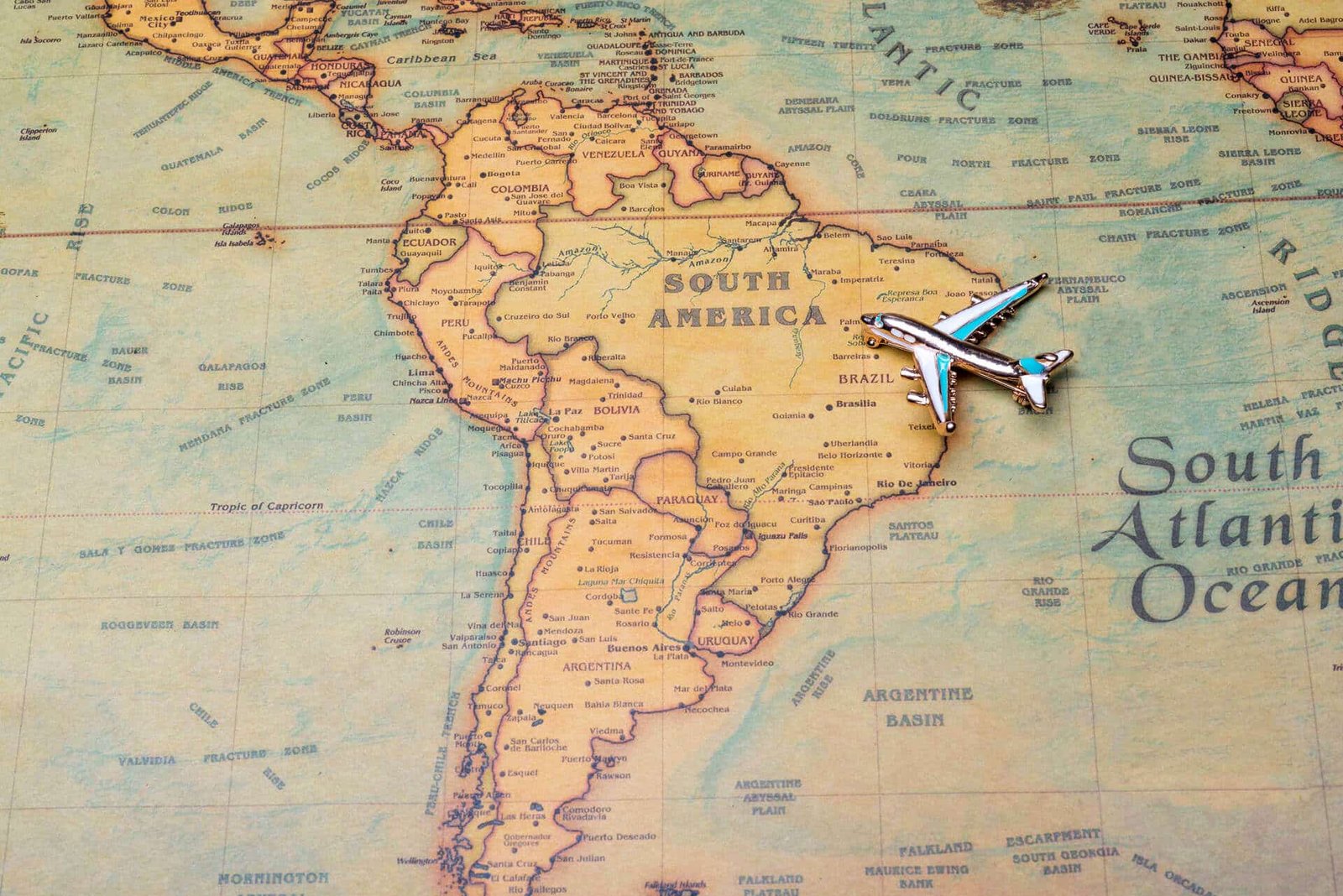
Traveling across South America is an incredible experience, but staying connected can be tricky if you rely on roaming or local SIM cards. In this 2026 guide, you’ll discover the best eSIM options for South America, how much data you need, and how to avoid unnecessary costs while traveling across multiple countries.
Whether you’re visiting Brazil, Argentina, Colombia, Peru, or Chile, an eSIM lets you stay online from the moment you land.
Why Use an eSIM in South America?
South America is ideal for eSIM travelers because:
- Countries are often visited on multi-stop itineraries
- Roaming charges from home carriers are extremely expensive
- Buying local SIM cards can be time-consuming and inconsistent
- Coverage quality varies between countries and operators
With a regional South America eSIM, you get instant activation, stable coverage, and one plan that works across borders.
If you’re new to eSIMs, read our full guide:
Best eSIM for International Travel
Countries Covered by South America eSIM Plans
Most South America eSIM plans typically include:
- Brazil
- Argentina
- Colombia
- Peru
- Chile
- Ecuador
- Bolivia
- Uruguay
- Paraguay
Coverage may vary by provider, but regional eSIMs are designed to work seamlessly across these destinations.
For travelers moving between continents, you may also want to explore Which eSIM Works in Multiple Countries? (2026 Complete Guide).
Best eSIM for South America in 2026
1. Regional South America eSIM (Best Overall)
Ideal for: Multi-country travelers, backpackers, digital nomads
Pros
- One eSIM for multiple countries
- No SIM swapping
- Competitive pricing vs roaming
- Instant activation
Cons
- Slightly higher cost than single-country plans
This is the best option if you’re visiting more than one South American country.
2. Single-Country eSIMs (Best for Long Stays)
Ideal for: Staying in one country for 2+ weeks
If you’re staying mostly in Brazil, Argentina, or Colombia, a single-country eSIM may offer better value.
You can compare this option with local alternatives in our guide:
eSIM vs Physical SIM: Which Is Better for Travelers in 2026?
How Much Data Do You Need in South America?
Data usage depends on your travel style:
| Travel Style | Recommended Data |
|---|---|
| Light use (maps, messages) | 3–5 GB |
| Regular use (social media) | 5–10 GB |
| Remote work / streaming | 15–20 GB |
For a detailed breakdown, check:
How Much Data Do You Need When Traveling Abroad?
How to Install and Activate Your South America eSIM
Installation takes less than 5 minutes:
- Purchase your eSIM online
- Scan the QR code
- Activate data upon arrival
- Connect instantly
If you need step-by-step instructions, follow:
How to Use an eSIM on iPhone and Android
Is eSIM Safe to Use in South America?
Yes. eSIMs are secure, encrypted, and safer than public Wi-Fi, especially in airports, cafés, and hotels.
They eliminate the risk of:
- SIM card theft
- Unsafe public networks
- Identity exposure
Learn more here:
Is eSIM Safe? What Travelers Should Know Before Using One
Avoid Roaming Charges in South America
Roaming fees in South America can reach $10–$15 per MB with traditional carriers.
An eSIM helps you:
- Avoid bill shock
- Control your data spending
- Stay connected without contracts
Read more:
How to Avoid Roaming Charges When Traveling Abroad
Where to Buy the Best South America eSIM
For the best experience, choose a trusted provider offering regional coverage.
Explore our recommended USA and international plans:
South America eSIM Plans
For now, travelers combining South America with other regions can also use global options listed in:
Best eSIM for International Travel
Final Verdict: Is an eSIM Worth It in South America?
✅ Yes, absolutely.
A South America eSIM is the smartest option in 2026 if you:
- Visit multiple countries
- Want instant connectivity
- Prefer transparent pricing
- Don’t want to deal with local SIM cards
It’s faster, safer, and more convenient than roaming or physical SIMs.